

Introduction: A Quiet Currency Revolution
In an era where smartphones outnumber bank branches in many developing economies, stablecoins are quietly rewriting the rules of money. With over $300 billion in circulation, these digital tokens pegged to fiat currencies are no longer niche instruments—they're becoming pillars of informal financial systems across volatile regions.
The Bolivia Precedent
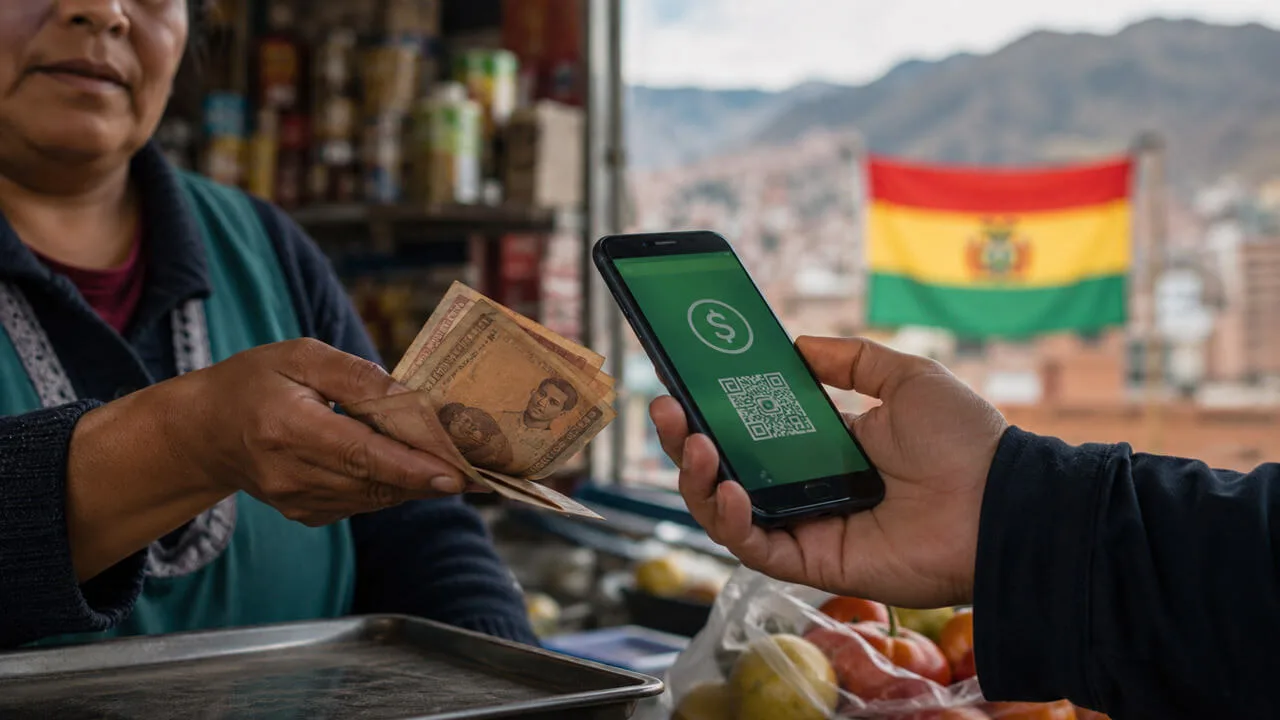
Bolivia’s cautious steps toward integrating USDT into its regulated payment ecosystem underscore a broader trend: governments reacting to grassroots adoption rather than leading it. Despite lacking legal tender status, stablecoins have surged in popularity due to their accessibility and stability relative to the boliviano. Virtual asset transactions in the country skyrocketed by more than 630% within a year, reaching $430 million—a clear indicator that citizens are voting with their wallets when local currencies falter.
Nigeria's Digital Shift
Similar dynamics play out in Nigeria, where naira depreciation and foreign exchange restrictions have driven massive inflows of crypto-assets—$59 billion between mid-2023 and mid-2024 alone. According to the IMF, this shift resembles 'digital dollarization,' undermining the effectiveness of domestic monetary policy. When regulators attempted to curb crypto use through banking restrictions in 2021, activity simply migrated to peer-to-peer networks, proving resilient to top-down suppression.
Market Impact Analysis
- BTC: Neutral – While increased crypto adoption supports Bitcoin indirectly, stablecoins dominate transactional use cases.
- ETH: Neutral – Ethereum benefits from infrastructure usage but remains secondary to USD-backed stablecoins in emerging markets.
- Altcoins: Negative – Stablecoins cannibalize speculative demand during crises, reducing appetite for riskier assets.
- Short Term: Positive – Demand spikes in unstable economies drive liquidity and trading volumes.
- Long Term: Bearish – Central banks may tighten regulations or launch CBDCs to counteract erosion of monetary sovereignty.
Risks to Traditional Finance
Once stablecoins gain traction, they erode several core functions of central banks. Interest-bearing variants threaten deposit bases, while unrestricted cross-border flows weaken capital controls. Every integration of USDT introduces external dependencies—from Tether’s reserve composition to blockchain governance—that lie beyond any one nation’s jurisdiction. This creates systemic exposure without corresponding oversight authority.
Outlook: Policy vs. People
Governments face a stark choice: either regulate proactively or reactively. As demonstrated in Bolivia and Nigeria, citizen-driven adoption often precedes official recognition. The challenge lies in balancing innovation with macroeconomic stability. Should this pattern spread further, expect intensified scrutiny from global financial bodies and accelerated development of central bank digital currencies (CBDCs) as countermeasures.
Market context
Market data reflects conditions at publication time and is not updated in real time.
Data captured at: Sep 18, 2026 01:05 (Tehran)
Likely market impact
| Segment | Outlook |
|---|---|
| Bitcoin | ● Neutral |
| Ethereum | ● Neutral |
| Altcoins | ▼ Negative |
| Short term | ▲ Positive |
| Long term | ▼ Bearish |
Spot prices at publication
Fear & Greed Index
Chart
Source: CryptoSlate