
Introduction
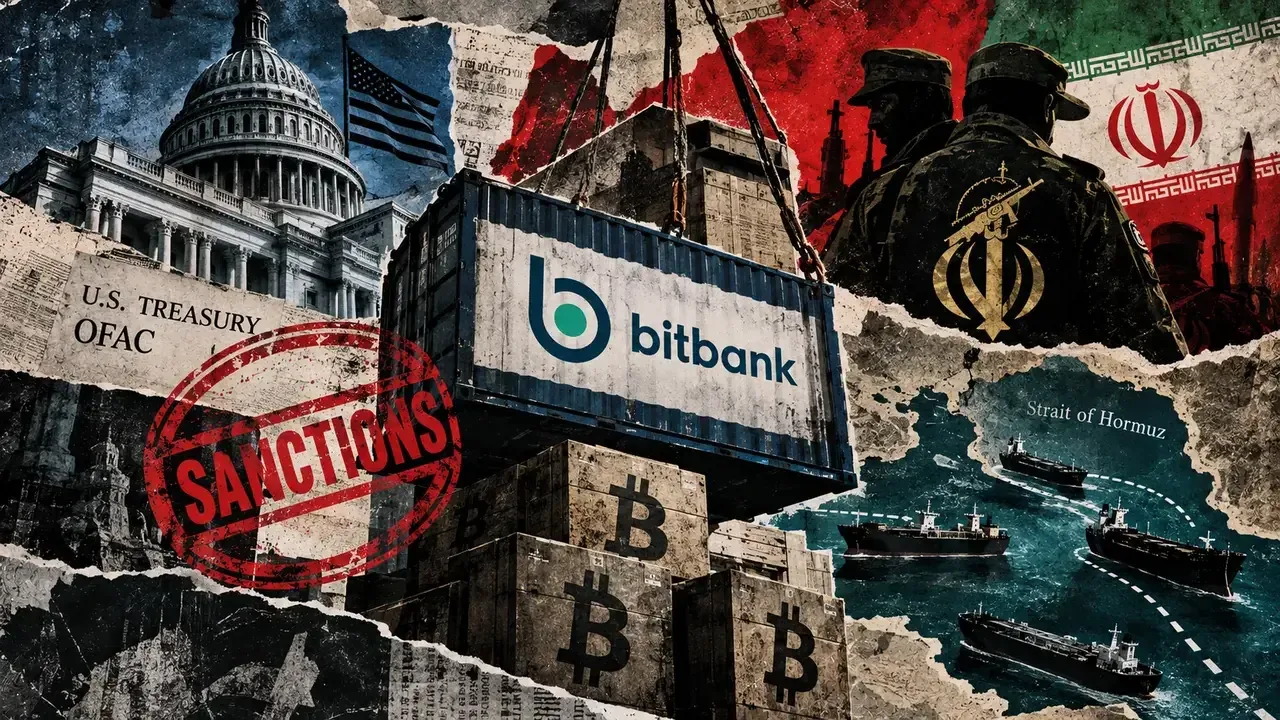
In a significant escalation of financial enforcement, the United States Treasury Department has imposed sanctions on an Iranian cryptocurrency exchange and its software developer, accusing them of facilitating Bitcoin transfers on behalf of the Islamic Revolutionary Guard Corps (IRGC). The move underscores Washington's growing scrutiny of digital asset platforms used to bypass international sanctions and fund designated terrorist organizations.
Key Points
- The US Treasury's Office of Foreign Assets Control (OFAC) designated the Iranian exchange and its developer for allegedly processing Bitcoin transactions linked to the IRGC.
- The exchange is also accused of moving payments from the Hormuz Safe platform to the Iranian regime, though the Treasury did not equate this stream with the total IRGC-linked volume.
- The sanctions freeze any US-based assets of the entities and prohibit American citizens and businesses from engaging with them.
- This action follows a pattern of US enforcement against crypto services that enable sanctioned entities to access global financial systems.
Market Impact Analysis
The sanctions are unlikely to cause immediate disruption to major cryptocurrency markets, as the targeted exchange operates primarily within Iran and has limited global liquidity. However, the move reinforces regulatory risks for crypto platforms that operate in or serve jurisdictions under US sanctions. Bitcoin (BTC) and Ethereum (ETH) prices showed minimal reaction, reflecting the isolated nature of the event. Over the short term, traders may see increased volatility in altcoins associated with Iranian trading pairs, but broader market sentiment remains driven by macroeconomic factors. Long-term, this action could deter other exchanges from facilitating sanctioned transactions, potentially reducing illicit flows but also pushing such activity further underground.
Outlook
The Treasury's action signals a continued hardening of US policy toward crypto-enabled sanctions evasion. Exchanges and developers should expect heightened due diligence requirements and potential legal exposure if they process transactions linked to sanctioned entities. For the Iranian regime, the sanctions may accelerate adoption of decentralized or privacy-focused cryptocurrencies to circumvent tracking. Investors should monitor for further designations that could impact exchange liquidity in the Middle East.
Market context
Market data reflects conditions at publication time and is not updated in real time.
Data captured at: Sep 18, 2026 21:41 (Tehran)
Likely market impact
| Segment | Outlook |
|---|---|
| Bitcoin | ● Neutral |
| Ethereum | ● Neutral |
| Altcoins | ● Neutral |
| Short term | ● Neutral |
| Long term | ▼ Bearish |
Spot prices at publication
Fear & Greed Index
Chart
Source: CryptoSlate