

Introduction
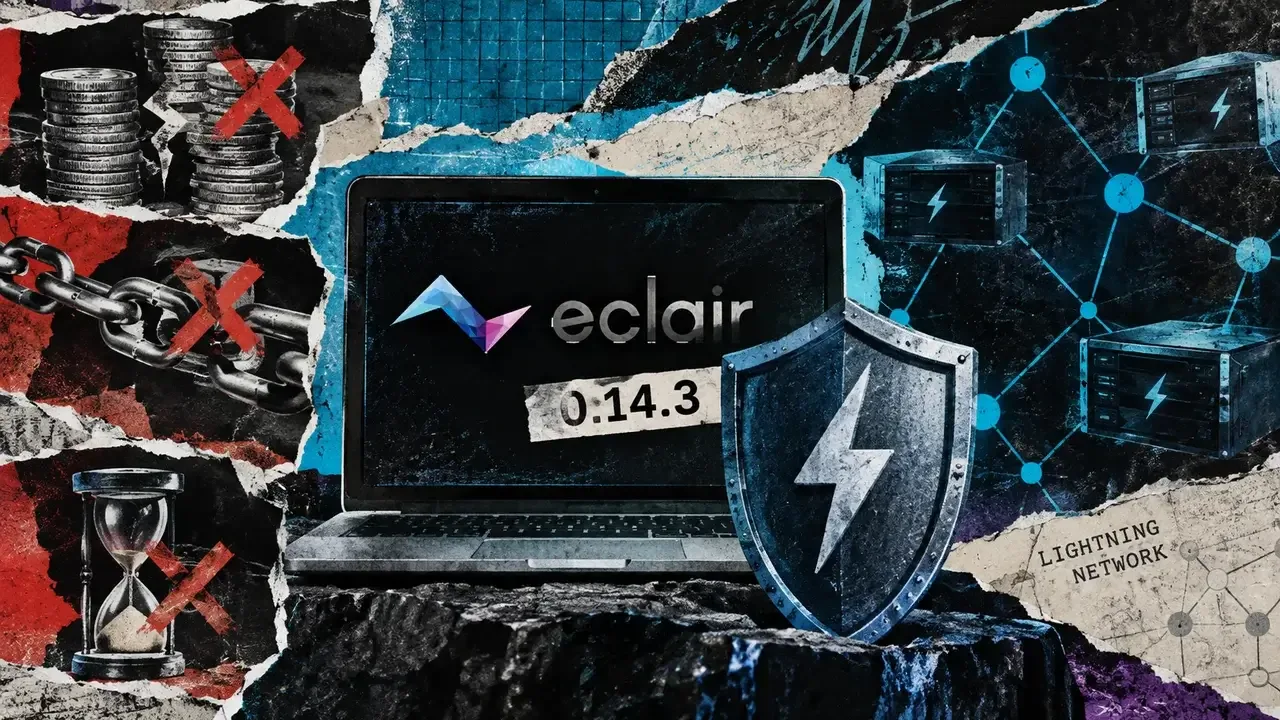
A significant security vulnerability in the Bitcoin Lightning Network has come to light, raising alarms across the cryptocurrency community. According to ACINQ, a leading contributor to Lightning Network infrastructure, the flaw could potentially allow malicious actors — including miners — to redirect an entire node balance toward themselves. The discovery underscores the ongoing challenges of securing Layer 2 scaling solutions on Bitcoin's base layer.
Key Details of the Vulnerability
- The flaw resides within the Lightning Network protocol and could be exploited to drain funds from running nodes.
- ACINQ confirmed that the issue is exploitable in specific channel configurations, making certain node operators particularly vulnerable.
- Security patches have been developed and can be installed without the need to close existing Lightning channels, minimizing disruption for active users.
- The vulnerability highlights the complexity of maintaining trustless channel management in a decentralized environment.
Market Impact Analysis
The revelation has introduced a short-term bearish sentiment among Bitcoin traders and node operators concerned about fund security on the Lightning Network. Any credible threat to node integrity can erode confidence in Layer 2 adoption, potentially slowing the migration of transactions off Bitcoin's base layer. However, the fact that ACINQ has released actionable fixes without requiring channel closures represents a responsible disclosure approach that could restore confidence over time.
From a broader market perspective, the incident serves as a reminder that Bitcoin's ecosystem — including its second-layer solutions — remains under constant scrutiny from both developers and bad actors. Miners, who already play a critical role in transaction validation on the base layer, could theoretically leverage this exploit if patches are not widely adopted. This creates a nuanced risk dynamic where the urgency of deployment directly correlates with network safety.
Outlook and Recommendations
Node operators are strongly advised to update their software immediately to incorporate the latest security fixes. While the vulnerability is serious, the proactive response from ACINQ mitigates the worst-case scenario. Long-term, this incident should incentivize further auditing and hardening of Lightning Network implementations across all major clients. The Bitcoin community can view this as a test of its incident response capabilities — and an early indication that the protocol's defense mechanisms are functioning as intended.
Conclusion
Security vulnerabilities in scaling solutions like the Lightning Network are not uncommon in the evolving blockchain landscape, but the speed and transparency of disclosure play decisive roles in determining outcomes. ACINQ's approach demonstrates that responsible vulnerability management can coexist with operational continuity. The broader market should monitor patch adoption rates closely, as widespread implementation will be the key indicator of whether this threat is fully neutralized.
Market context
Market data reflects conditions at publication time and is not updated in real time.
Data captured at: Sep 21, 2026 13:25 (Tehran)
Likely market impact
| Segment | Outlook |
|---|---|
| Bitcoin | ▼ Bearish |
| Ethereum | ● Neutral |
| Altcoins | ● Neutral |
| Short term | ▼ Bearish |
| Long term | ▲ Positive |
Spot prices at publication
Fear & Greed Index
Chart
Source: CryptoSlate