
Solana's Pursuit of Speed: A Double-Edged Sword
Solana, a leading Layer-1 blockchain known for its high throughput, recently deployed a significant upgrade aimed at further reducing block times to 250 milliseconds. While this move positions Solana as one of the fastest blockchains available, early indicators suggest that this speed boost isn't without potential drawbacks, specifically concerning network stability and security. The core issue isn’t simply achieving the faster block times, but ensuring the network can reliably maintain them without compromising its decentralized nature.
Key Concerns and Challenges
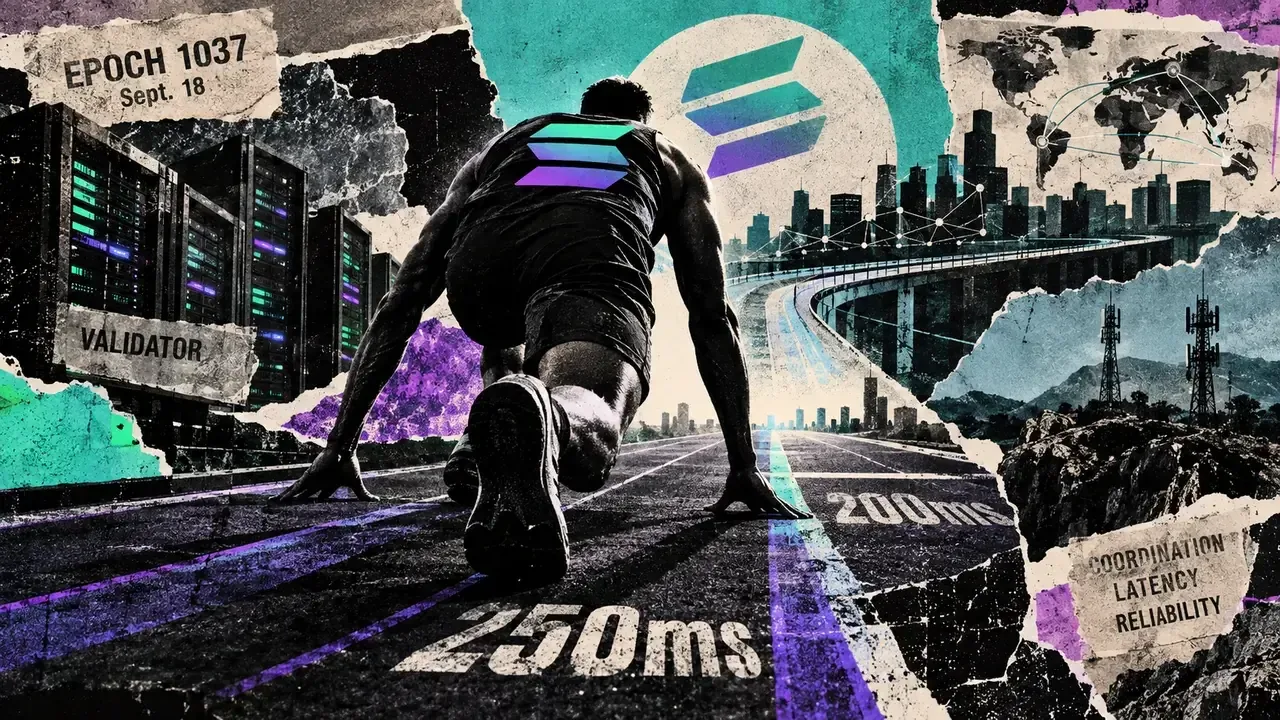
The reduction in block time necessitates faster coordination between validators, the entities responsible for confirming transactions and adding new blocks to the blockchain. CryptoSlate’s reporting highlights that the path to even faster 200ms blocks may hinge on factors beyond raw throughput. These include efficient leader handoffs (the process of transferring block production responsibility), achieving consensus among clients (nodes that interact with the blockchain), and ensuring a diverse infrastructure of validators.
- Leader Handoffs: Faster block times mean quicker transitions between block producers. Any delays or inefficiencies in this process can lead to network congestion or even forks.
- Client Agreement: Reaching consensus on the validity of transactions becomes more challenging with reduced block times. Clients need to quickly verify and agree on the state of the blockchain.
- Infrastructure Diversity: A lack of diversity in validator infrastructure—hardware, location, network connectivity—increases the risk of correlated failures, potentially disrupting the network.
Market Impact Analysis
The initial market reaction to the speed boost has been muted. While Solana’s native token, SOL, hasn’t experienced a significant price surge directly attributable to the upgrade, the long-term implications are substantial. If the network proves unable to maintain stability at these faster speeds, it could erode investor confidence and hinder adoption. Conversely, successfully navigating these challenges could solidify Solana’s position as a leading platform for high-frequency trading and decentralized applications.
Outlook: A Critical Test for Solana
The next few weeks will be crucial for monitoring Solana’s performance following the upgrade. Focus will be on observing validator behavior, tracking transaction success rates, and identifying any signs of network instability. The success of this upgrade isn’t solely about achieving faster block times; it’s about demonstrating that Solana can scale securely. The network’s ability to address the challenges related to leader handoffs, client agreement, and infrastructure diversity will ultimately determine whether this speed boost is a genuine step forward or a temporary compromise of network integrity. Further development and optimization will likely be required to fully realize the benefits of this upgrade without sacrificing the core principles of decentralization and security.
Market context
Market data reflects conditions at publication time and is not updated in real time.
Data captured at: Sep 20, 2026 23:04 (Tehran)
Likely market impact
| Segment | Outlook |
|---|---|
| Bitcoin | ● Neutral |
| Ethereum | ● Neutral |
| Altcoins | ▲ Positive |
| Short term | ● Neutral |
| Long term | ▲ Positive |
Spot prices at publication
Fear & Greed Index
Chart
Source: CryptoSlate